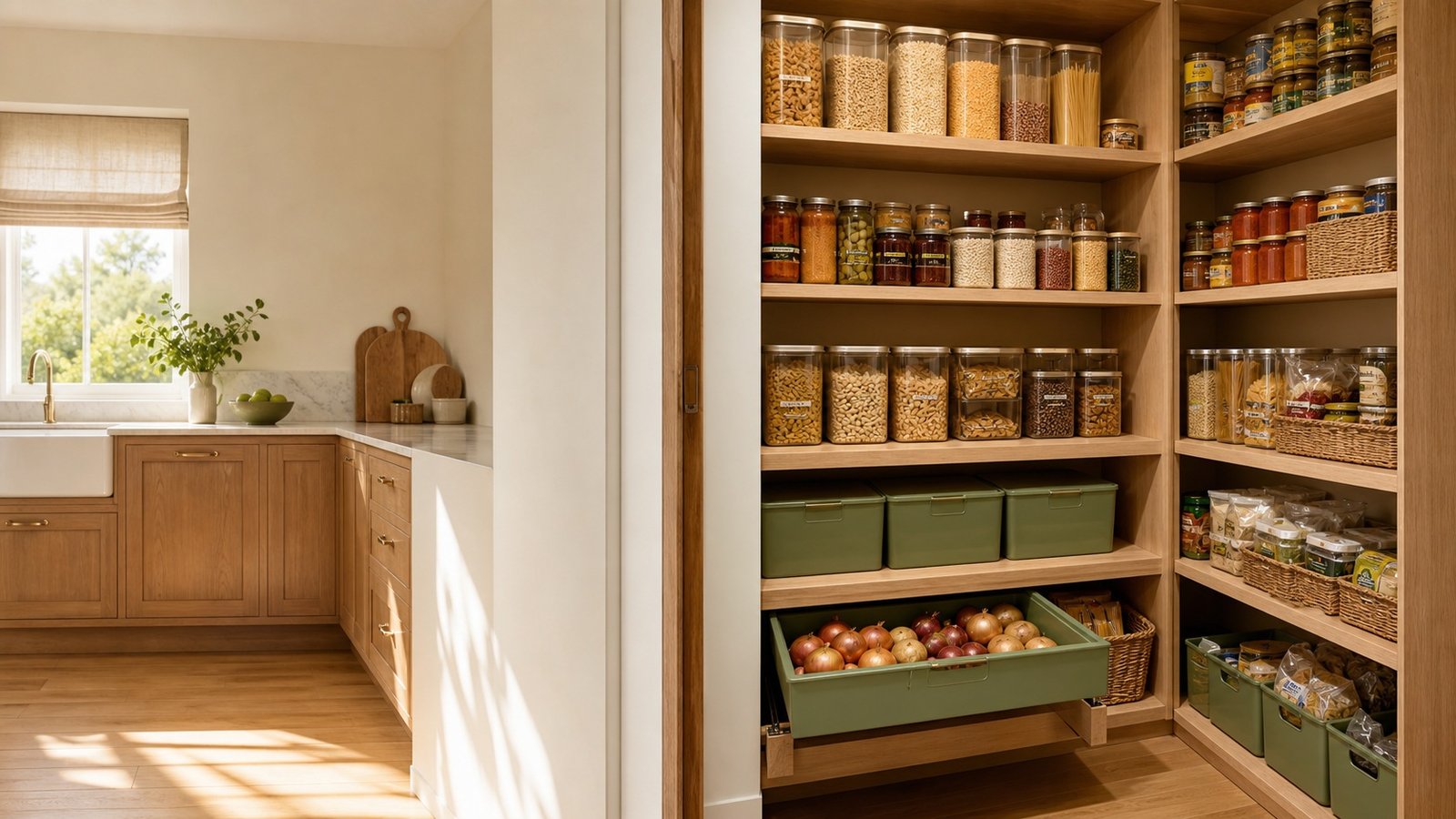
Pantry storage built around everyday access
Fix hidden cans, deep shelves, crowded doors, and mismatched containers with the smallest organizer that solves the real problem.
Start with the access failure
More containers do not automatically create more usable space. Measure first, define the retrieval problem, and add one compatible tool.
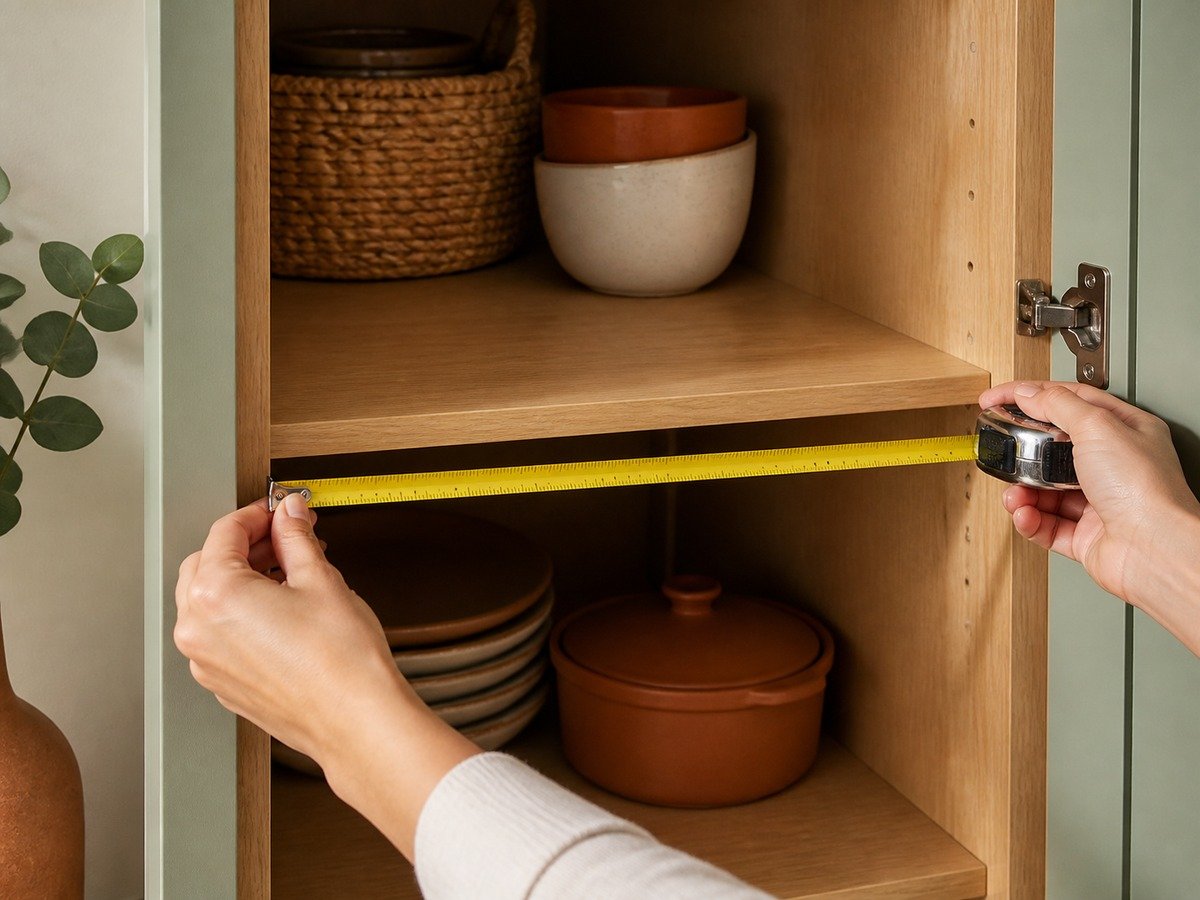
Measure every usable clearance
Record the narrowest opening, shelf depth, vertical gap, hinges, and full motion.
Use the guide →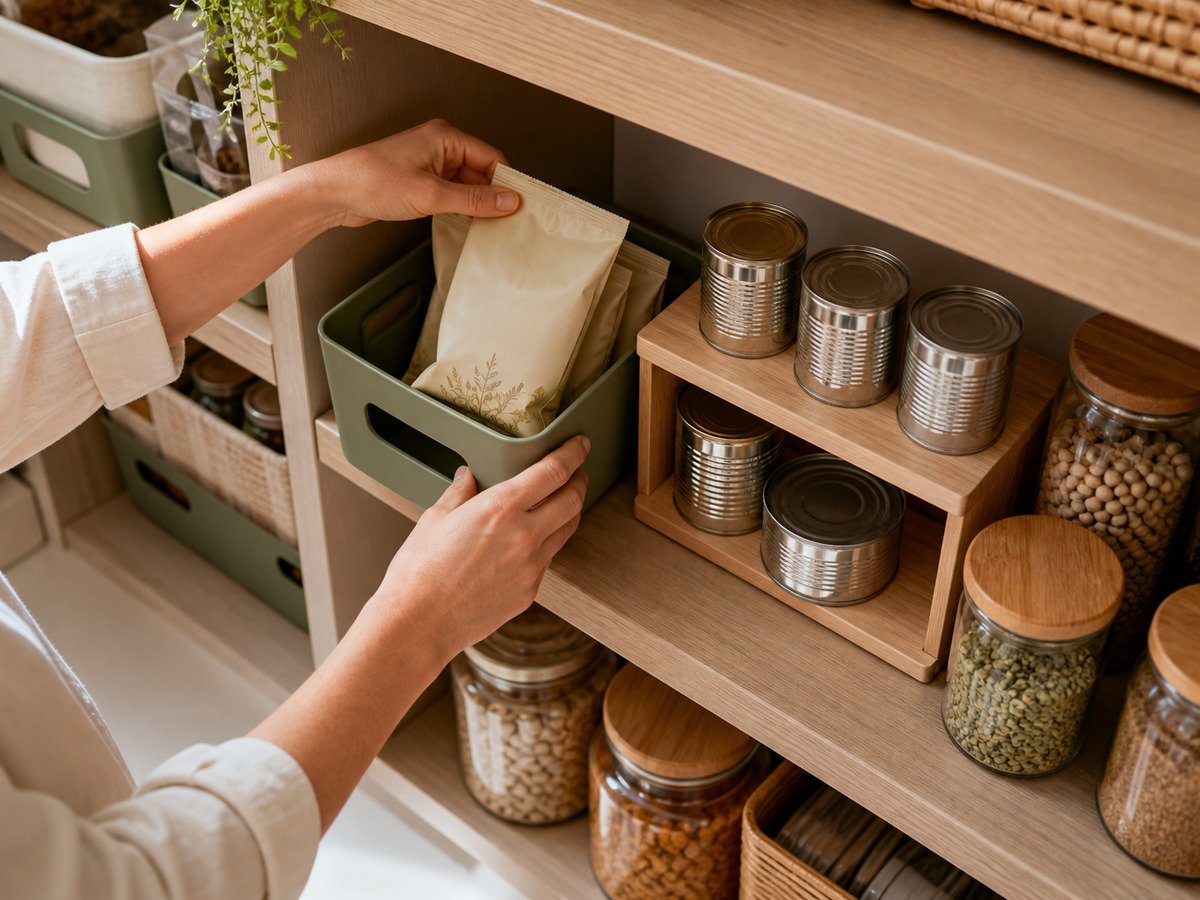
Build zones that survive restocking
Organize by frequency and retrieval rather than filling every shelf with containers.
Create the zones →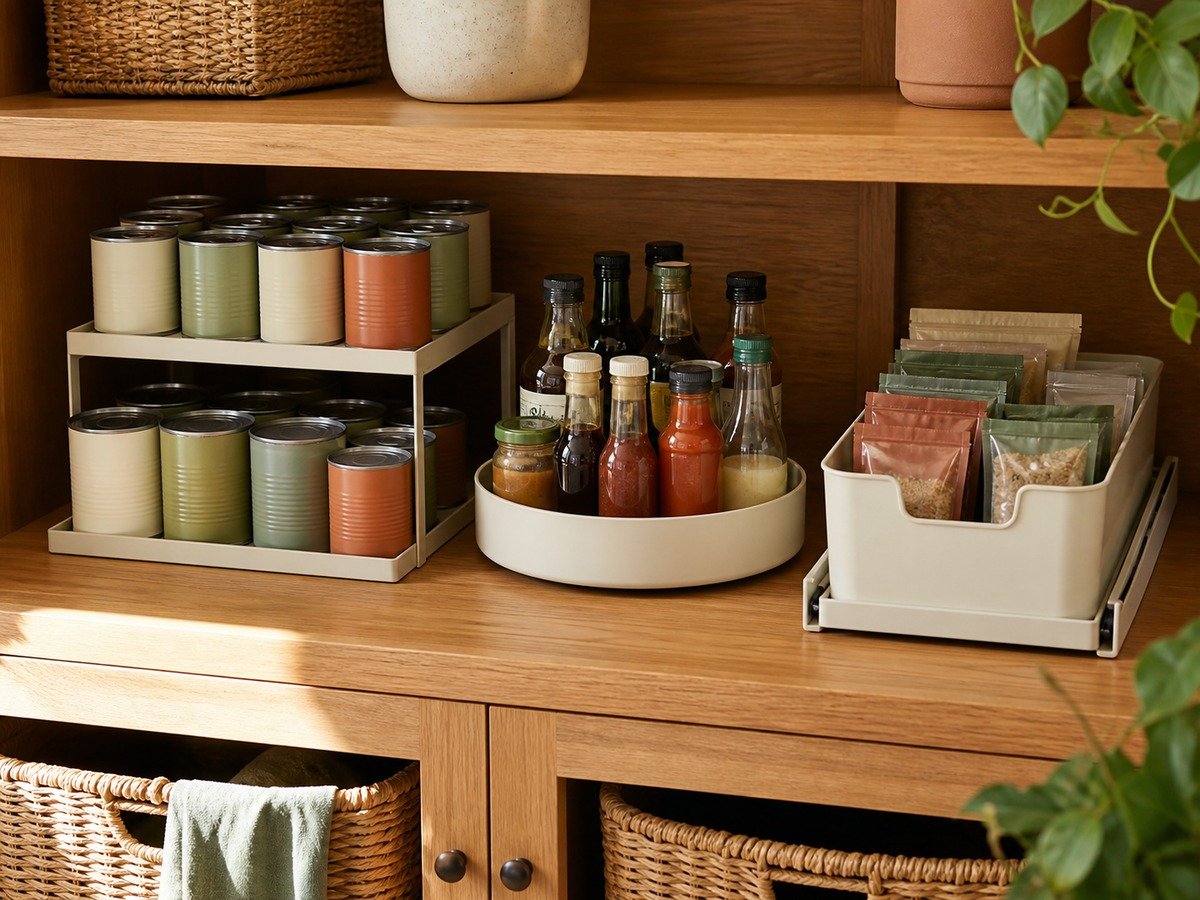
Choose the organizer family
Match risers, turntables, bins, door racks, or containers to the access failure.
See quick picks →What each organizer changes
| Problem | Start with | Measure | Avoid |
|---|---|---|---|
| Rows hide labels | Tiered can organizer | Total height and shelf depth | Rear cans trapped below the shelf above |
| Corner items disappear | Turntable | Full rotation envelope | Tall bottles at an unstable edge |
| No shallow capacity | Door rack | Door, frame, shelf, and swing | A loaded door that cannot close |
| Loose foods do not stack | Dry-food container | Package volume and lid clearance | Buying a full set before testing one size |
All pantry storage guides
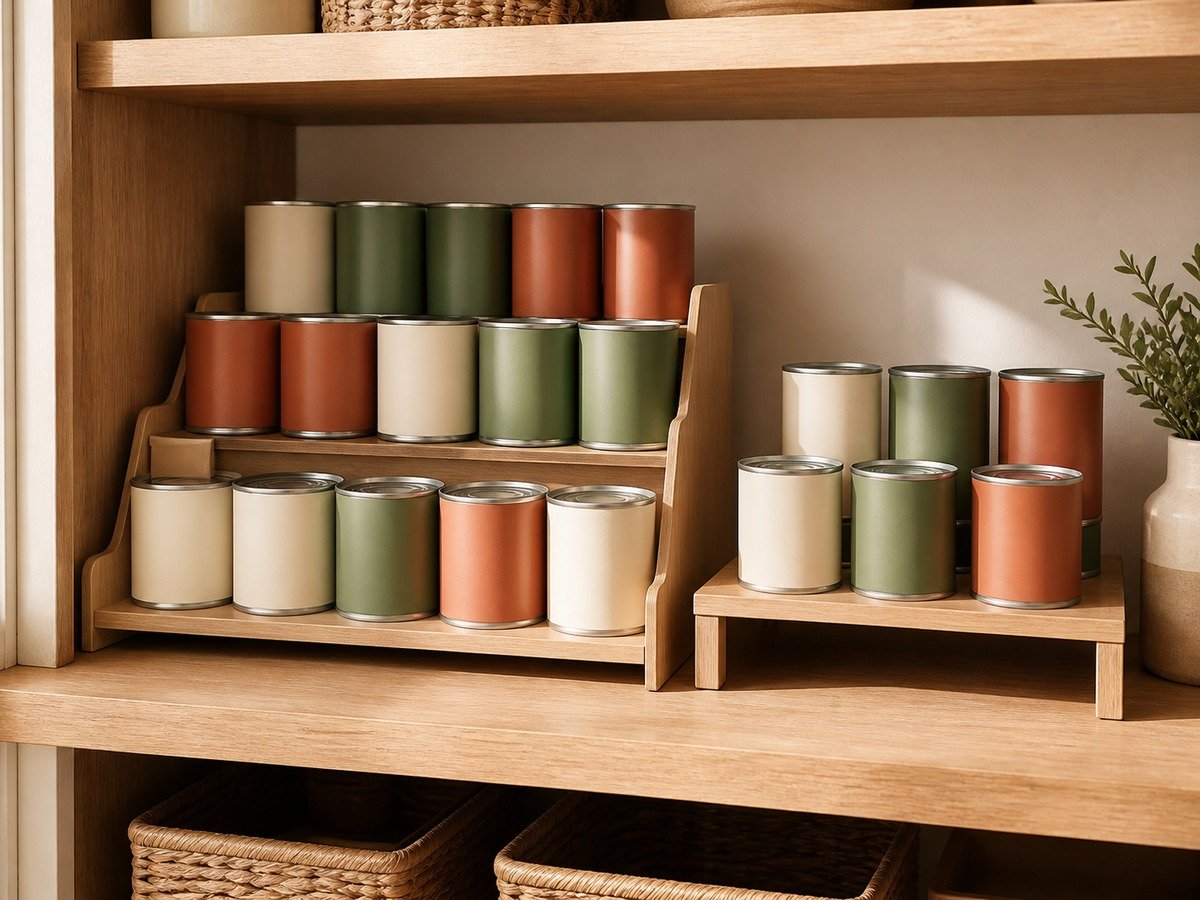
Can organizers and shelf risers
Improve label visibility or divide an unused vertical gap.
Compare →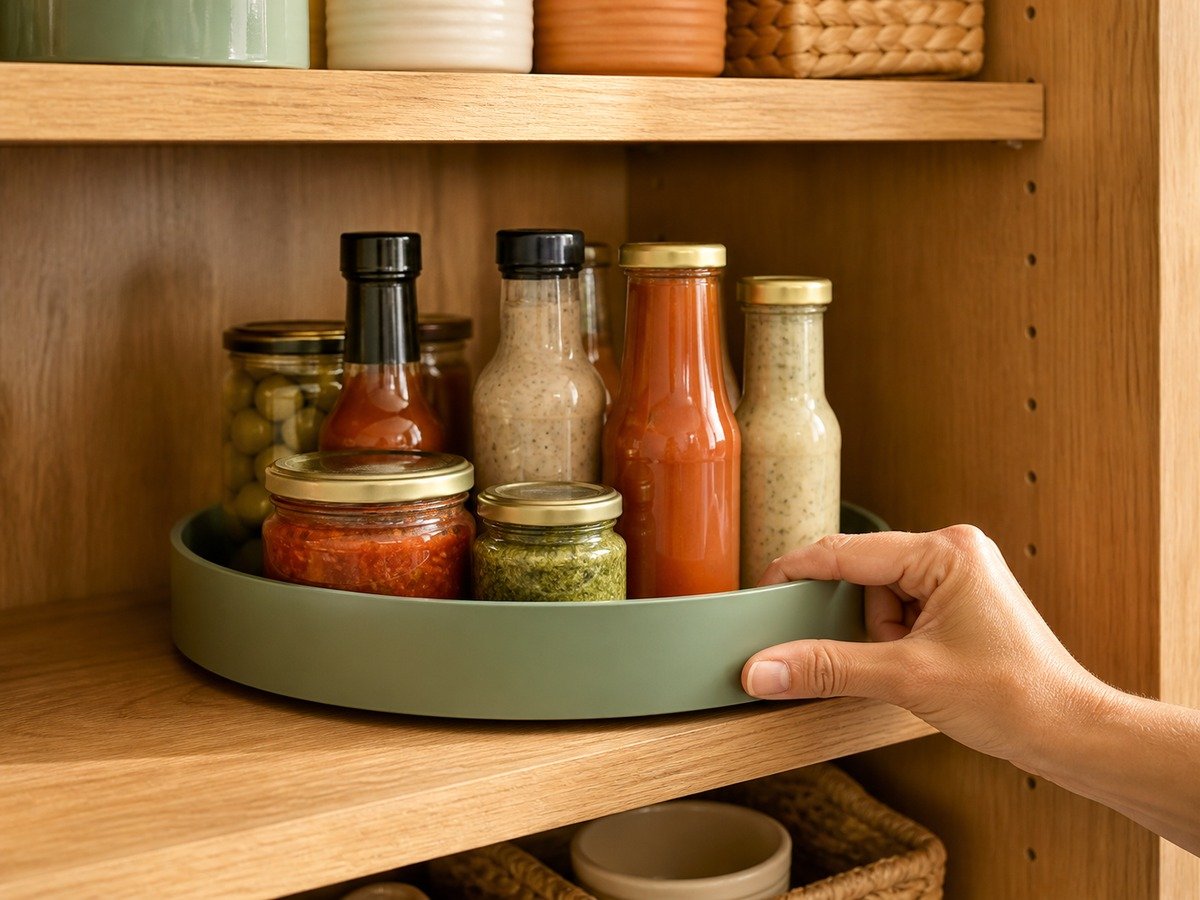
Pantry turntables
Bring bottles forward without creating an unstable or blocked rotation.
Compare →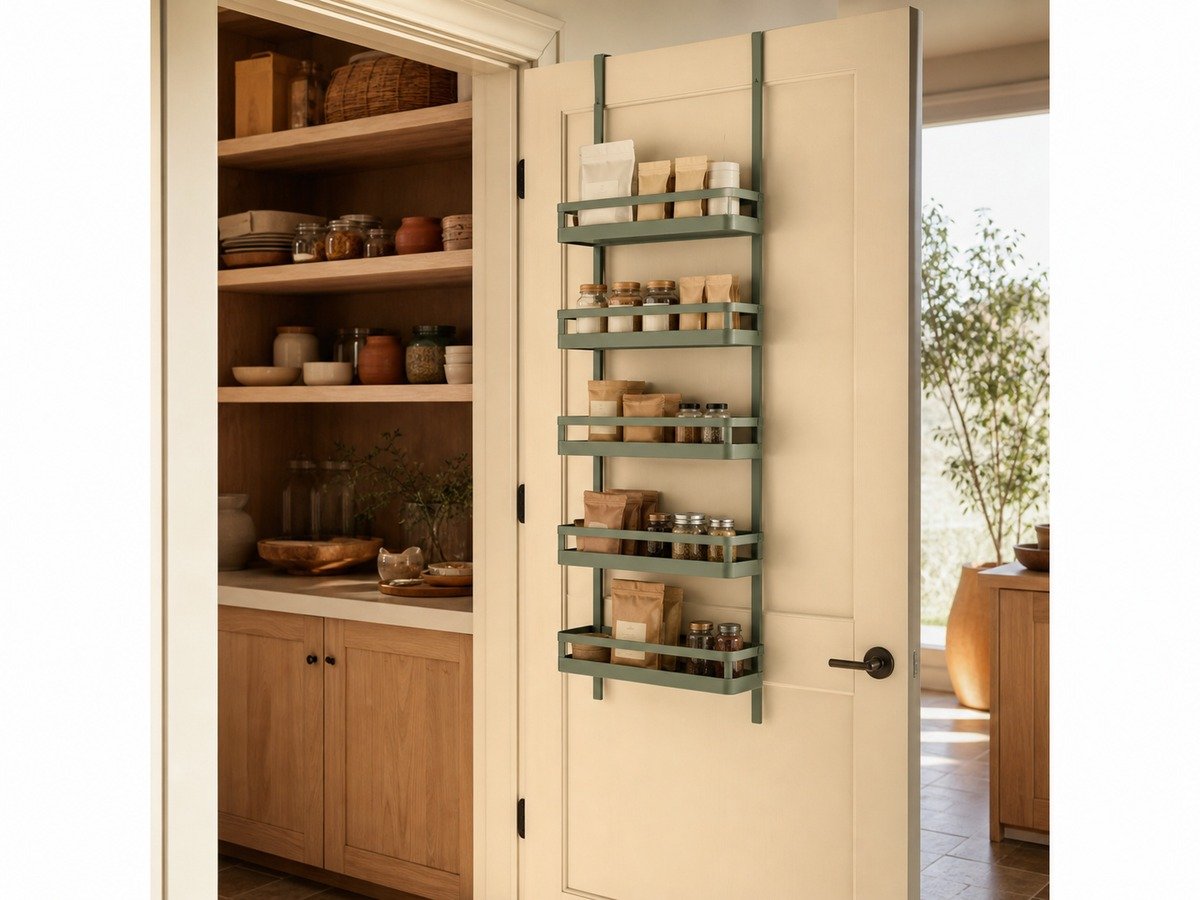
Over-the-door pantry organizers
Check every door, hinge, frame, shelf, and loaded swing constraint.
Compare →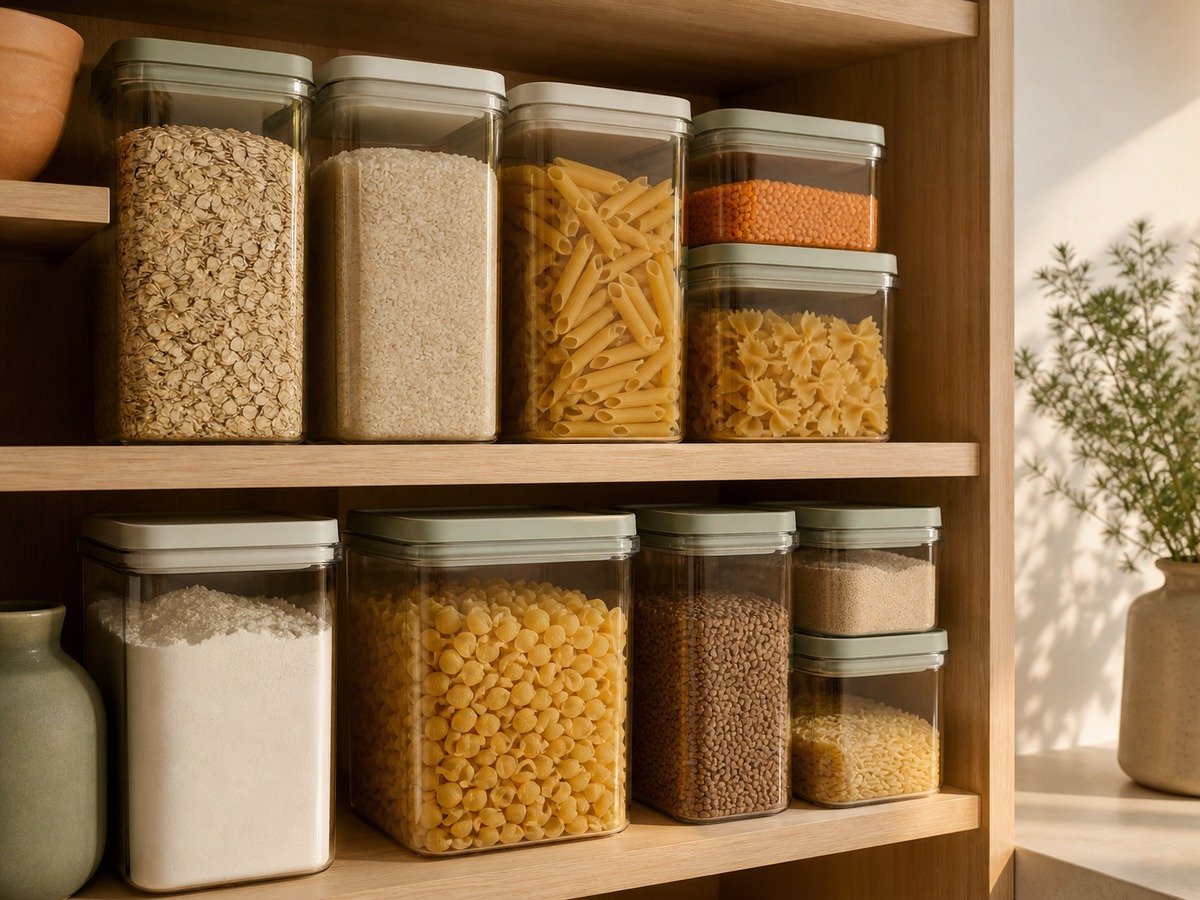
Pantry storage containers
Match real package volumes, footprints, lids, and cleaning effort.
Compare →We compare fit and access before appearance
Dimensions and manufacturer instructions take priority over staged photographs. We identify the problem an organizer can solve, where it may not fit, and what the documentation leaves unanswered.